
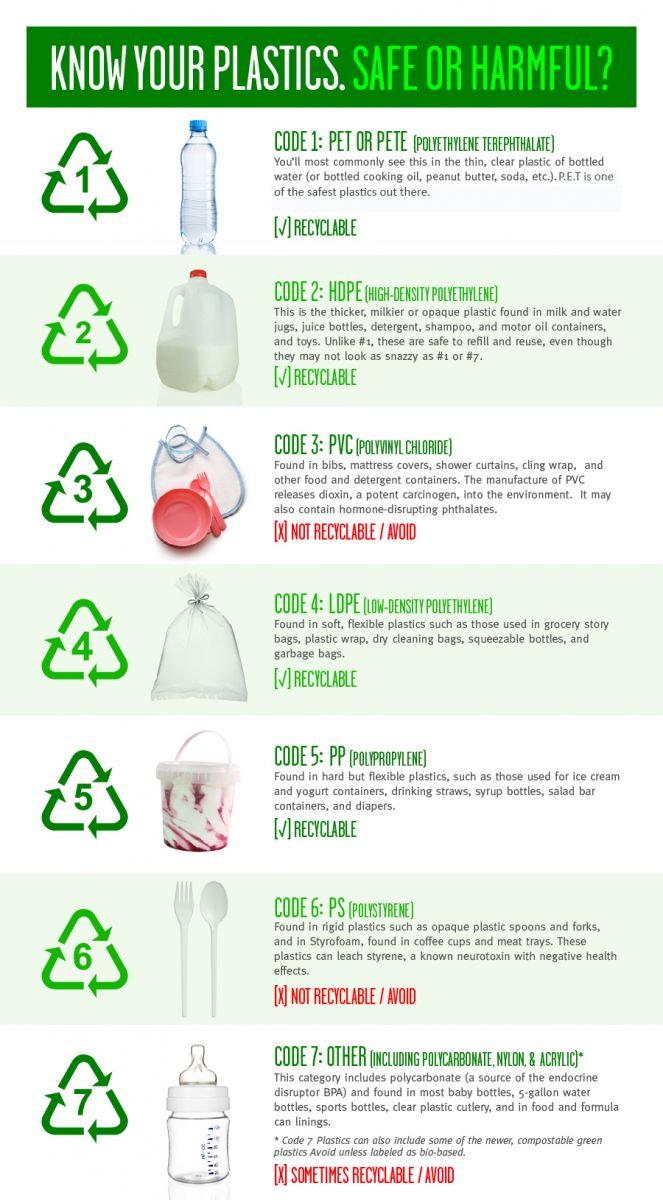
What is Pet?
We take responsibility for your products like our own.
DESCRIPTION
Smart PET Packaging for a Sustainable Tomorrow
Our Approach
Let’s your product look nice by packaging.
- 19 20-ounce bottles can produce enough fiber for extra-large T-shirt, or One square foot of carpet.
- 63 20-ounce bottles can make a sweater.
- 14 20-ounce bottles yield enough fiberfill for a ski jacket.
- 114 20-ounce bottles produce enough fiberfill for a sleeping bag.
- 16 oz. bottles: 18 bottles per pound
- 20 oz. bottles: 19 bottles per pound
- 1-liter bottles: 12 bottles per pound
- 2-liter bottles: 9 bottles per pound
- 3-liter bottles: 5 bottles per pound
Recycling PET bottles conserves landfill space:
- 4,800 16-ounce bottles per cubic yard
- 4,050 20-ounce bottles per cubic yard
- 3,240 1-liter bottles per cubic yard
- 2,430 2-liter bottles per cubic yard
- 1,350 3-liter bottles per cubic yard
What we offer
Bringing a creative way of packaging.
The PET bottle was patented in 1973 by chemist Nathaniel Wyeth, the brother of renowned American painter Andrew Wyeth. Just a few years later, in 1977, the first PET bottle was successfully recycled, marking a milestone in sustainable packaging.
In the United States, recycling efforts for PET plastics have expanded significantly. Currently, there are approximately 7,700 curbside collection programs and 10,000 drop-off programs actively collecting PET bottles for recycling. These initiatives play a critical role in reducing waste and promoting sustainability.
Since 1978, manufacturers have made significant strides in reducing the environmental footprint of PET bottles. The weight of a two-liter bottle has decreased by 29%, going from 68 grams to just 48 grams. This reduction not only conserves resources but also lowers transportation costs and emissions.
Recycling PET containers offers numerous environmental advantages. For instance, recycling a ton of PET bottles saves approximately 7.4 cubic yards of landfill space. Moreover, the Environmental Protection Agency (EPA) estimates that recycling just one pound of PET can save around 12,000 BTUs of energy, showcasing its importance in energy conservation.
The widespread use of PET bottles is evident in everyday households. In 2005 alone, the average household consumed about 42 pounds of PET plastic bottles. Interestingly, custom PET bottles, which are used for products beyond carbonated soft drinks, now account for 62% of all PET bottles available for recycling, reflecting their growing versatility and adoption.
Smart PET Packaging for a Sustainable Tomorrow
Let’s your Product look nice by packaging.
With cutting-edge technology and a commitment to sustainability, we ensure our products meet international standards of safety, durability, and recyclability.